
Home | Voyage 37
JEFFERSON’S OCEAN VOYAGE 37
Explore the journey starting from the Port Everglades, Florida.

Port Everglades
Departed South Florida in February, beginning Ocean Voyage 37 from Fort Lauderdale, FL
Western Caribbean
Traveled through the Caribbean, exposing the barrels to a distinctly tropical maritime environment with average temperatures of 80.6°F and humidity of 77.5%
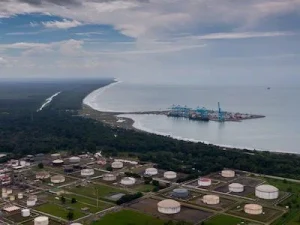
Costa Rica
Continued along the coast of Costa Rica, where temperatures reached a peak of 125.2°F near Puerto Limón, creating intense cycles of heat and barrel expansion
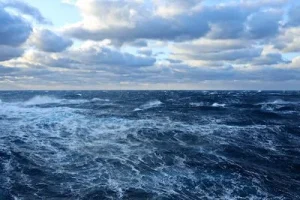
Caribbean Sea
Constant movement across the sea subjected the bourbon to continuous cycles of expansion and contraction as temperatures and humidity shifted
Panama
Passed through Panama, adding another tropical maritime environment to the journey and further exposing the barrels to sustained heat and moisture
At Sea
Experienced dramatic shifts in maritime conditions, with humidity dropping as low as 29% and temperatures varying significantly throughout the voyage

South Florida
Returned to Port Everglades after more than three months at sea, with temperatures ranging from a low of 46.1°F to humidity levels as high as 98%

Captain’s Log
Ocean Voyage 37 departed Port Everglades in February for a journey through the Caribbean, exposing the barrels to a distinctly tropical maritime environment with average temperatures of 80.6°F and humidity of 77.5%. The route traveled through the Western Caribbean, along Costa Rica, through Panama, and back to South Florida. Throughout the voyage, the barrels experienced dramatic environmental shifts, from a low of 46.1°F in South Florida to a peak of 125.2°F near Puerto Limón, Costa Rica. Humidity ranged from 29% at sea to 98% in Port Everglades. Extended periods of tropical heat and moisture, combined with constant movement across the sea, created continuous cycles of expansion and contraction within the barrels. Over three months at sea, Voyage 37 subjected the bourbon to a range of conditions no traditional rickhouse can replicate. The result is a whiskey shaped not by a single environment, but by an ever-changing journey through tropical heat, Caribbean humidity, dry maritime air, and dramatic temperature swings.